How Nutrition can Support the Quality of your Eggs, (and why pausing for 3 months to prepare might be the quickest way to bring home a baby).
When you’re trying to conceive, it’s natural to focus on ovulation dates, cycle length, and test results. But one crucial factor is often misunderstood or overlooked altogether: egg quality.
Many people assume egg quality is something you either have or you don’t, and that there’s little you can do about it. This is sadly also something we hear that IVF patients are told by their consultants, who often seem keen to rush into treatment ‘before it’s too late’.
In reality, while egg quantity is largely age-dependent, egg quality can be influenced by your internal environment, including what you eat, your metabolism, your toxic exposure, and inflammation.
And perhaps most importantly: timing matters. Whether you are trying to conceive naturally or via assisted reproduction, taking a little bit of time out to work on egg quality, might be the quickest way to bring home a healthy baby.
Egg Quality vs Egg Quantity: What’s the Difference?
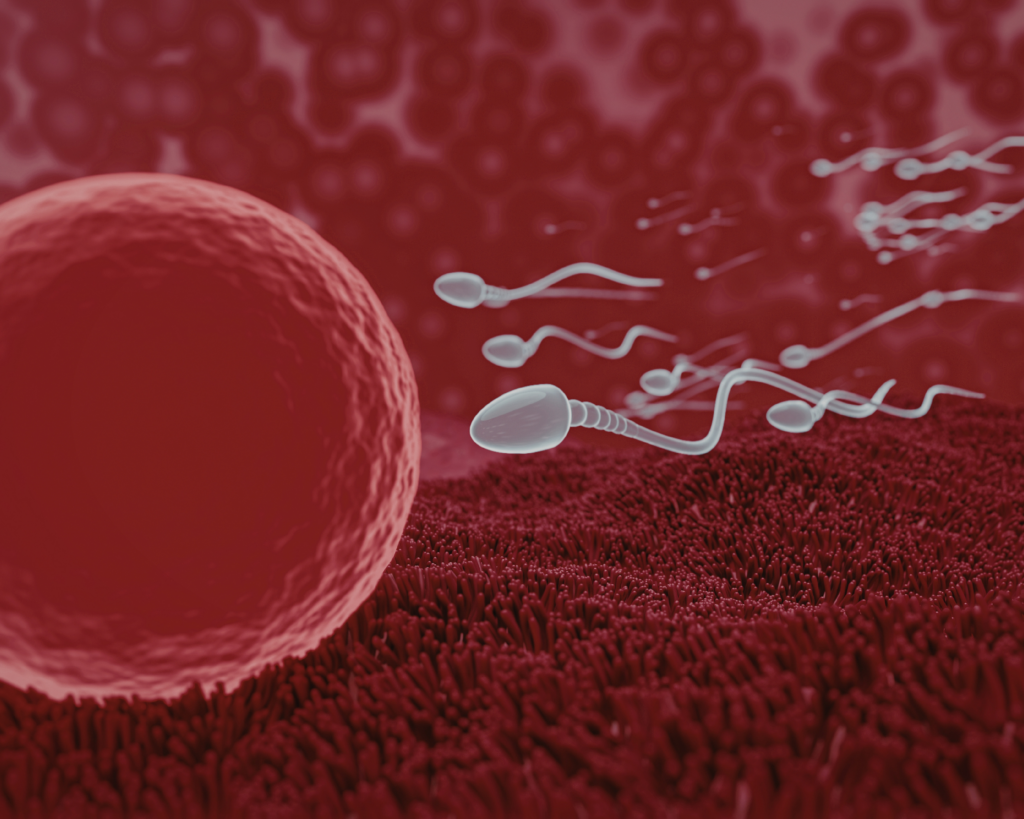
Egg quantity refers to how many eggs you have remaining, often estimated through markers such as AMH or an antral-follicle count performed during a scan. Egg quality, on the other hand, relates to how well an egg can mature, fertilise, and develop into a healthy embryo. While we can’t increase the number of eggs available, we can influence the conditions in which eggs develop – and this is where targeted nutrition plays a key role.
The 90-Day Window Most People Don’t Know About
Eggs don’t mature overnight. When you are born, you are born with your ovarian reserve – all the eggs you are ever going to have already exist at this point, and they are in a dormant state. When you reach puberty, you ovulate one egg each month, but for every one egg that is ovulated, you have to bring 1000 eggs out of dormancy. Only one of those eggs makes it to ovulation each month, but before being ovulated, they are matured.
Each egg maturation process takes approximately 90–120 days before ovulation. During this time, the egg is highly sensitive to:
- Nutrient availability
- Toxic exposure
- Blood sugar balance
- Oxidative stress
- Inflammation
- Hormonal signalling
This means the choices you make today affect the egg you will ovulate several months from now.
This is why last-minute dietary changes often feel disappointing: they’re simply too late to influence egg development meaningfully. That’s not to say it’s ever too late to make positive changes to your diet and lifestyle, but the ideal timeframe is 3-6 months.
How Nutrition Supports Egg Quality
Fertility-focused nutrition is not about ‘eating perfectly’. It’s about creating an internal environment that supports healthy egg maturation.
1. Supporting Mitochondrial Function
Eggs require a significant amount of energy to mature and divide successfully. This energy is produced by mitochondria – the ‘powerhouses’ of each cell. Our mitochondrial capacity naturally declines with age, but there are many ways we can optimise this process via strategic dietary and lifestyle changes.
Mitochondria are damaged by oxidative stress, certain medications, poor diet (processed foods, excess sugar), toxic exposure, alcohol, chronic diseases (diabetes, obesity, autoimmune disease), infections, and genetic factors, leading to impaired energy production. Key culprits include heavy metals, pesticides, plastics (BPA, phthalates), moulds, statins, antibiotics, air pollution, and even factors like extreme temperatures, stress, and lack of sleep.
Key nutrition and lifestyle strategies support this process by helping mitochondria function efficiently and reducing oxidative stress that can damage developing eggs.
2. Reducing Inflammation and Oxidative Stress
Chronic low-grade inflammation can interfere with hormonal signalling and egg development. Inflammatory cytokines present in the pelvic fluid can significantly damage egg quality by disrupting the normal maturation of eggs.
Targeted nutrition and lifestyle strategies can help:
- Stabilise blood sugar
- Reduce inflammatory load
- Support antioxidant defences
This creates a calmer, more supportive environment for egg maturation.
3. Supporting Hormonal Communication
Egg development relies on precise hormonal signals between the brain and ovaries. Nutritional imbalances, extreme dieting, poor sleep or high stress can disrupt this communication. During extreme stress or starvation, the natural consequence is that the brain instructs the ovaries to down-regulate fertility. This is why we place significant focus on ensuring that the brain signalling to the ovaries is optimised for fertility.
A well-structured fertility nutrition approach supports:
- Consistent energy intake – no strict diets
- Adequate macronutrient balance and bodyweight
- Key micronutrients involved in hormone production
- Optimise exercise levels, avoiding extremes
- Strategically addressing areas of stress
- Improving sleep
4. Addressing Individual Nutrient Gaps
Even people who eat ‘well’ can have nutrient insufficiencies that affect egg development — particularly when absorption, stress, or metabolic health are factors. Burning the candle at both ends, a history of high-alcohol intake, poor sleep or even the oral contraceptive pill depletes some of the most essential nutrients for fertility.
This is why personalised guidance is so important. Fertility, nutrition, and supplementation are not a one-size-fits-all approach. We recommend a comprehensive blood test and a tailored diet and supplement plan based on those results.
Why ‘Healthy Eating’ Isn’t Enough for Egg Quality
General healthy eating guidelines are designed for population health – not fertility optimisation. Nutrient intakes are not only dependent on the food on your plate – your digestion plays a key role in ensuring those nutrients are actually absorbed.
Fertility nutrition considers:
- Higher nutrient demands due to individual lifestyle factors or health history
- Timing relative to egg development
- Individual metabolic and hormonal patterns
- The impact of stress and restriction
- Your digestive function and gut health
Without this context, well-intentioned changes may not deliver the results people hope for.
What This Means If You’re Trying to Conceive Now
If you’re early in your fertility journey, starting sooner rather than later gives you more influence over egg quality.
If you’re preparing for fertility treatment such as IVF, nutrition support is most effective when started at least three months before stimulation, rather than immediately beforehand.
And if you’ve already been trying for some time, nutrition can still play a valuable role in supporting future cycles – especially when approached in a structured, evidence-based way.
A Calmer, More Informed Way Forward
At the Fertility Nutrition Centre, we help clients understand why certain changes matter, and which ones are the most likely to move the needle for them, rather than overwhelming them with rules, restrictions or making them rattle with lots of unnecessary supplements.
Our focus is on:
- Supporting egg (and sperm) quality through preparation, not pressure
- Using nutrition to work alongside fertility treatment in a safe and effective way
- Helping clients feel informed, supported, and in control
- Collaborating with other clinicians involved in their care and helping our clients advocate for their care if needs be
Because fertility nutrition is not about doing more – it’s about doing what matters, in a way that is sustainable.
Thinking About Your Next Steps?
If you’re considering fertility nutrition support or preparing for treatment, speaking with a specialist early can help you make informed, confident decisions.
All of our practitioners offer a free, no-obligation, and non-judgmental strategy call to discuss your unique situation. You can contact them via our directory.
This blog post is written by founder of The Fertility Nutrition Centre, Sandra Greenbank.
Sandra Greenbank is a registered nutritional therapist with 17 years of experience and the founder of the Fertility Nutrition Centre. Driven by a mission to raise the standard of fertility nutrition support, she created the FNC to ensure that more couples have access to high-quality, evidence-based guidance on their path to parenthood.

Listen to the podcast – Fertility Foundations here
Don’t forget to follow our Instagram page for fertility nutrition insights and tips from our team of certified practitioners.
Or click here, and head to our directory to book a free introductory chat with a team member.