Why I Hired a Nutritionist After My First IVF Cycle Failed
“Pop an iron supplement from Boots, and I’m good to go!”
As a vegetarian, I knew about needing to monitor my iron levels. That was about the extent of my nutritional awareness.
When I started my IVF journey, I noticed fertility nutritionists on social media – but I had no idea whether I truly needed one.
“Aren’t they a luxury, nice if you can afford it?”
I was so wrong.
And I’m going to explain why hiring a nutritionist turned out to be a positive decision.
(NB – I don’t receive any commission for the experts or organisations mentioned in this story.)
The Moment of Realisation
It was August 2024 and I’d just been told that of my 5 mature eggs that had fertilised with donor sperm, the 3 resulting embryos were all aneuploid according to PGT-A (a genetic test).
I was devastated – and confused.
I knew at 43 years old that aneuploidy rates of my embryos would be high. But my Spanish doctor had been so optimistic. When I asked to consider a Plan B, I was firmly told to “be positive”.
His Plan B turned out to be a recommendation to use donor eggs, mentioned as breezily as if he were commenting on the weather. No genetic counselling; no specific detail about my biology or how the protocol could be tweaked; and a late discovery that if I’d wanted to transfer any of my aneuploid embryos, this is forbidden in Spain.
I felt so disempowered.
I had started taking a few supplements before this IVF cycle, created through a DIY effort. And I’d taken DHEA as prescribed by the Spanish doctor. I experienced unpleasant side effects, including my voice changing and terrible acne. I stopped the DHEA feeling freaked out and ashamed of the acne, the worst since my teenage years.
Taking a high dose of 75mg DHEA wasn’t based on any insights from blood results. It had simply been the doctor’s generic advice.
So I still had no idea what my body actually needed.
Like many women over 40, I was throwing time and money at hope, not strategy.
The System Isn’t Built to Support Us
Many IVF clinics are brilliant at the procedures – create your protocol, retrieve eggs, fertilise, transfer/freeze.
But few are good at joined-up care. Nutrition is treated as an optional extra.
As I’ve since learned, nutrition is often the missing foundation. The fertility industry talks endlessly about egg quality but rarely about the cellular environment that supports it.
There are signs of change – but it’s slow.
As Milena (my nutritionist) explained to me:
“Fertility isn’t just about ovaries and egg counts – it’s about the whole ecosystem of your body. A holistic approach looks at inflammation, stress, gut health, and hormones together. The right nutrition doesn’t just ‘support’ fertility – it can shift the entire foundation that IVF success is built on.”
The Turning Point
didn’t want to gamble my money on another IVF cycle, and start again feeling rushed and unprepared. And I was tired of the fertility socials, their misinformation and fear marketing:
“Buy my [course/supplement/fertility programme] because Woman X got pregnant soon after taking them!”
As a holistic health practitioner, it made total sense to optimise my mind and body so that I could feel better prepared, before more fertility treatment.
After a failed IVF cycle and months of scrolling through conflicting advice, I realised I needed a qualified expert. My GP couldn’t help, and I’d left my Spanish IVF clinic. So I was flying solo without a clue what to do next.
I found Milena via the Fertility Nutrition Centre and booked a free consult to clarify my options.
What It’s Like to Work with a Nutritionist
Milena secured blood tests via my GP that I couldn’t access myself, explained the results, and helped me prioritise what mattered.
These results were used to create an individualised plan, including dietary changes and supplements. It all felt so logical.
It was the first time someone looked at my health as a whole, and explained how my current diet and lifestyle could, for example, affect the quality of my eggs because of my high sugar intake (who doesn’t love a big slice of cake?!)
The small changes felt manageable.
- I swapped chocolate for dark chocolate, biscuits for nuts.
- As a vegetarian, I needed to increase my protein and iron intake. I added Choline tablets and a protein shake.
- I learned about the BANT plate for balanced meals.
- Food pairings helped manage sugar spikes eg eating toast alongside protein.
- My persistent HPV was investigated via a ScreenMe test and specific vaginal probiotics helped address the inflammation.
- Other supplements were introduced, including NMN which had a really positive impact on my energy levels.
Far from advice for my fertility journey alone, the insights felt like solid life advice – the stuff I didn’t learn in school.
I ditched the high street supplements I’d bought in my DIY protocol – they weren’t potent enough.
Advocacy and Joined-Up Care
Hiring experts during your fertility journey may feel like yet another expense.
But for me, it made total sense. As a result of hiring Milena, I felt more in control and aware of my biology – and crucially, the health of my eggs.
When both time and resources matter, working with someone who can guide you precisely, especially with nutrition and supplements, can actually save you both.
You get access to more focused testing and somebody who’s trained to interpret results correctly. Plus the advice goes far beyond food and supplements.
A nutritionist will examine the person’s whole picture and refer for further tests and investigations (e.g with urologists) if something has potentially been missed, or if further detail is needed to clarify what needs to be optimised.
Fertility nutritionists can also share insights on the fertility industry, key areas of research and the options available because they track technological advancements in the field.
Un-sugarcoated Reassurance
When you have an expert tracking your bloods, those additional insights make the journey feel just a little lighter.
Seeking joined-up care can be the difference between relying on your IVF doctor to prescribe high strength DHEA (without testing whether it’s what you actually need). Or having an expert in nutrition giving you tailored, well informed recommendations that give you the opportunity to boost mind and body.
If you’re starting IVF over 40, don’t wait for your clinic to join the dots. Bring your own expert eye – it might be the most important investment you make.
Was it worth my investment?
Getting my nutrition right was certainly a contributing factor to my pregnancy success. While my second IVF cycle in Greece was a total flop (I didn’t agree with the Meriofert stimulation medication), I continued my self-care and nutrition protocol. Four months later, I conceived naturally just before I turned 44.
At the time, I was living in India, getting lots of movement and vitamin D, avoiding toxins like caffeine and alcohol – and importantly, eating well. Loads of veggie curry, smoothies and Nepali soups. I also worked hard to change my mindset and calm my nerves, after two fraught IVF cycles.
Related read: I Tried To DIY My Fertility Supplements
Click here to follow Sarah on Instagram
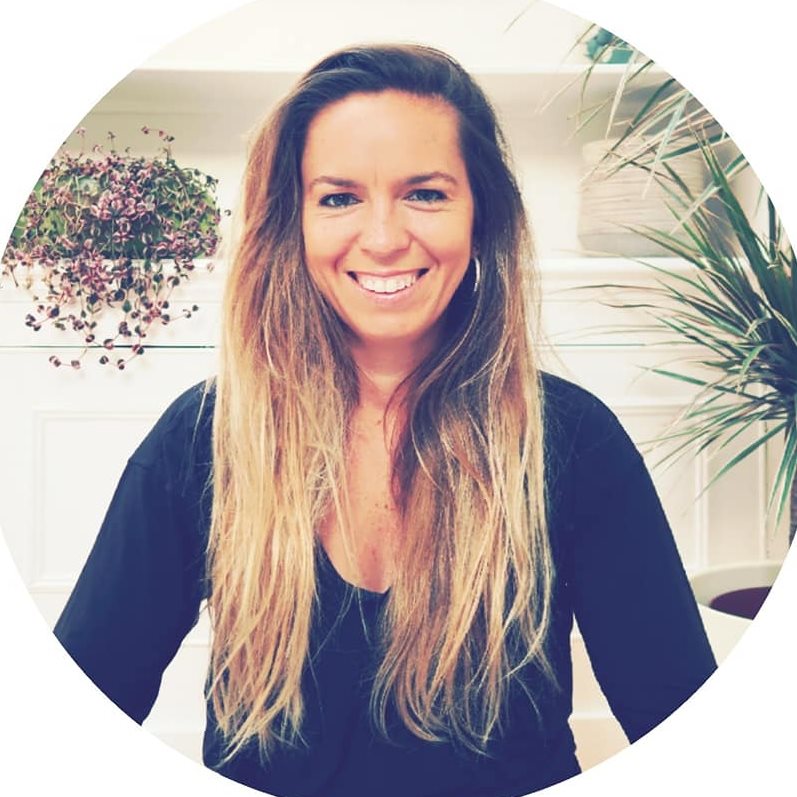
Click here to book a discovery call with Milena today.
Don’t forget to follow our Instagram page for fertility nutrition tips from our team of certified practitioners.